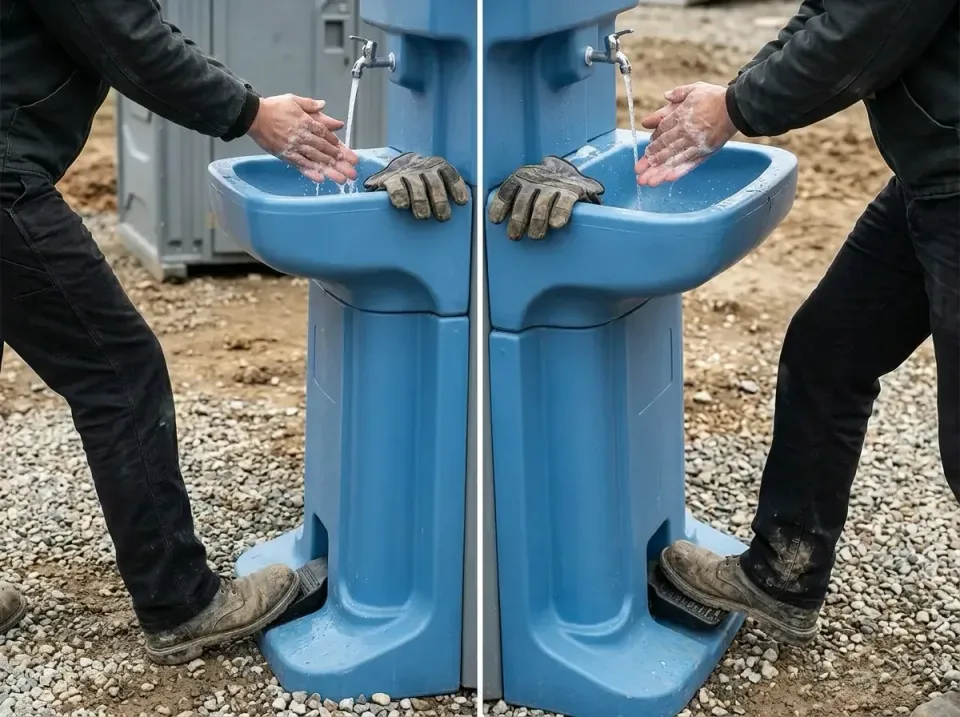
How Can You Keep a Handwashing Station Supplied Through a Florida Event?
A handwashing station running dry mid-event leaves guests searching for another sink and can interrupt food service. Check freshwater capacity, expected use, and refill access before guests arrive, then assign someone to watch supplies during the event.
Apalachicola’s hurricane season runs June through November, so keep a weather plan and confirm any delivery arrangements before a storm threatens the schedule. Spring and fall often bring milder outdoor conditions, making them easier seasons for event planning, but a supply check still matters.
Tropical storms can disrupt deliveries and event schedules; build in time for changes and tell your supplier about access constraints early. Our crew at FL Toilet Pros confirms placement and supply needs with event organizers. A clear refill plan helps prevent an empty basin becoming the day’s problem.
What should you check before the Apalachicola River event?
Start by estimating how many guests will use the station and when demand will peak. A ceremony, meal service, and later dancing can create separate rushes, so a single opening check is not enough.
Set a named person to inspect soap, paper towels, and water at planned intervals, and make sure that person can reach the unit without crossing a restricted work area. Keep backup supplies where they stay dry and are easy to retrieve.
The Apalachicola River is a useful local reference for waterfront events, where placement and guest movement may differ from an inland venue. At a gathering near the Apalachicola Yacht Club, for example, give the station a clear, visible route from food and restroom areas without blocking event circulation.
Strong coastal winds can shift lightweight items or disturb a poorly positioned station; secure supplies and choose a stable location before opening. Small details matter.
How can you prevent a station from running dry?
Use a written check schedule rather than waiting for guests to report an empty dispenser. Record the freshwater level and supplies before guests arrive, then check again during the busiest periods.
If you expect heavy use, arrange a refill plan and identify who is authorized to access the unit. A station that is technically on site but unreachable behind a tent or vendor setup is not a workable backup.
At St. George Island State Park, outdoor event organizers should account for the time and distance involved in bringing replenishment supplies to the station. Don’t store soap or paper goods in a spot exposed to spray or wind. If the event footprint changes, update the person checking supplies and make sure the station remains easy for guests to find.
When should you call for event-day help?
A small gathering with an accessible refill source and a reliable attendant may be manageable by the host. Call a professional when the guest count is high, water use is difficult to predict, the station is remote, or staff cannot leave their assigned duties to monitor it. Our event porta potty rental crew can discuss supply capacity and placement before delivery, then agree on how shortages or equipment problems should be reported.
Near St. Vincent National Wildlife Refuge, outdoor access and event logistics may require extra thought; decide in advance how a service provider can reach the setup if support is needed.
If the station stops working, runs low sooner than expected, or develops a leak, report the specific symptom and its location promptly. For a larger event, Hand Wash Station Rental can be planned around your site and expected use.
What placement details keep service practical?
Choose a firm, level spot guests can reach without cutting through food preparation or blocking an accessible route. Leave a clear approach for whoever will inspect and replenish the station, and make its location obvious with event signage. A unit tucked behind a service tent may look tidy before opening but become inconvenient once queues form.
Trinity Episcopal Church is one local landmark that helps ground event planning in Apalachicola; whatever the venue, share a site map and precise placement instructions with your supplier. Confirm where the station sits relative to guest activity and who has permission to move it. Our crew checks site access and placement details with organizers so the setup is workable for both guests and event staff.
Which Handwashing Setup Fits Your Event?
Choose a standalone station for a simple handwashing point, or consider an integrated option when your event setup calls for more facilities. The right fit also depends on delivery access.
| Option | Best for | Key detail |
|---|---|---|
| Portable handwashing station rental | Events needing a separate handwashing point | A dual-sided basin lets guests approach from either side. |
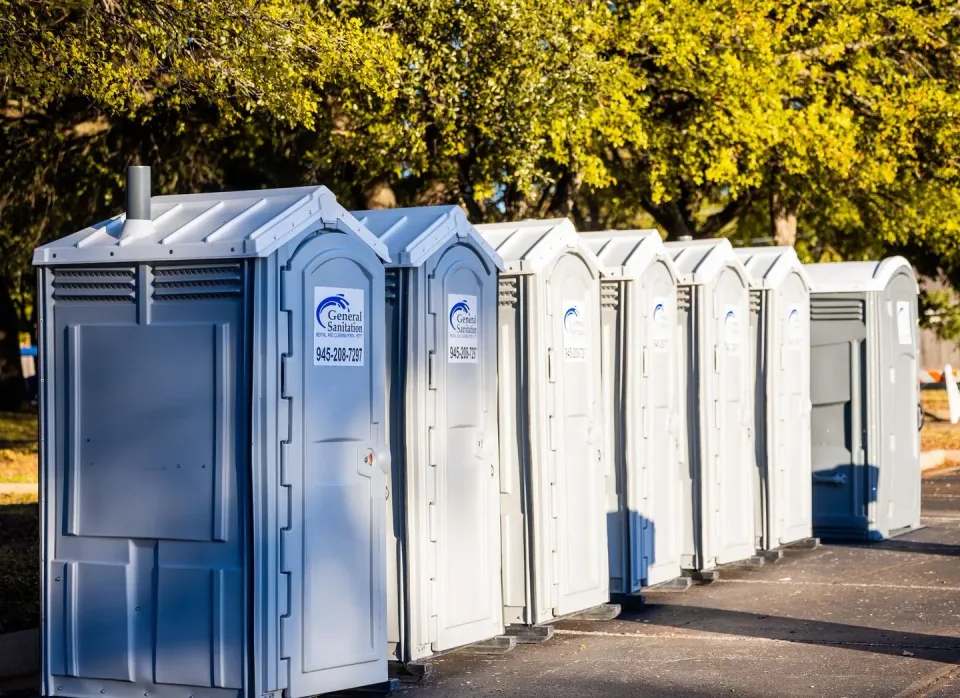
| Standard event porta potty rental | Compact restroom needs alongside a separate sink | A standard unit is approximately 4 feet wide and 4 feet deep. |
| ADA portable toilet rental | Events planning for wheelchair access | An ADA unit is approximately 5 feet wide and 5 feet deep; allow maneuvering space. |
| Restroom trailer rental | Events seeking multiple private stalls | Trailers may have 2–10 stalls and need level placement. |
For deliveries crossing the U.S. Highway 98 Bridge, share timing and access details early so the route can be planned.
U.S. Highway 98 connects local event logistics, so provide a clear destination and site instructions.
The Apalachicola Historic District may have tighter event layouts than an open venue; confirm the station’s footprint before placement. In Apalachicola’s humid subtropical climate with long, hot summers, a separate station can keep handwashing convenient near guest activity.
How Do You Prepare a Handwashing Station for an Event?
A host planning a gathering by Apalachicola Bay needs the station ready before guests arrive, with someone assigned to monitor supplies. Start with the site and the expected flow of people. Keep it simple.
-
Confirm the route: Tell your supplier where the event is and verify that delivery access reaches the planned spot.
-
Choose the location: Use firm, level ground and keep the station away from food preparation.
-
Share the site plan: Mark the station and service access on a map, then send placement instructions before delivery.
-
Set delivery and pickup: Schedule setup before guest arrival and pickup after event breakdown.
-
Assign supply checks: Name someone to inspect water, soap, and towels during the event.
-
Prepare for rain: Frequent afternoon thunderstorms during summer can interrupt outdoor plans, so keep backup supplies protected and accessible.
-
Check exposed lines: Winter cold snaps can affect exposed water lines; ask how the setup should be protected if temperatures drop.
If the event is near Apalachicola City Hall or City Square, make sure the site plan identifies the exact placement area rather than relying on a general venue name. Before confirming, ask who handles a mid-event refill and how staff should report a shortage.
Ready to Plan Event Handwashing Supplies in Apalachicola?
A reliable station starts with a realistic supply plan, a reachable location, and someone responsible for checking it. Act before event day if you expect high use or the site may be difficult to access.
Heavy rain can soften unpaved event-site access, so share ground conditions and truck approach details before delivery. For an event near the John Gorrie Museum State Park, confirm exactly where the unit can be placed and reached for service.
Market Street is another useful local reference when describing an Apalachicola event location; include the venue’s precise access instructions rather than just its neighborhood. Coastal storm surge threatens low-lying waterfront properties, so consider whether the proposed placement remains suitable if conditions change.
Tell FL Toilet Pros your event date, expected attendance, and site plan, or request a quote for Hand Wash Station Rental.